There comes a moment in adult life when you’re not judged by your degrees, your job title or your Spotify playlist but by whether or not you can dice a tomato without looking like you’ve just escaped a murder scene. I encountered that moment not with defiance, but with a vegetable chopper in one hand and a peeler in the other, standing in a kitchen that had clearly mistaken me for someone else.
Let me be honest. I did not walk into adulthood with culinary confidence. I walked in with exactly the kind of naïve optimism that makes one believe a peeler is self-explanatory. It isn’t. Nor is the exact science of when a brinjal is truly cooked. The kitchen, I’ve come to realize, is a theatre of ambiguity—filled with edible mysteries, philosophical tools and appliances that demand both obedience and intuition.
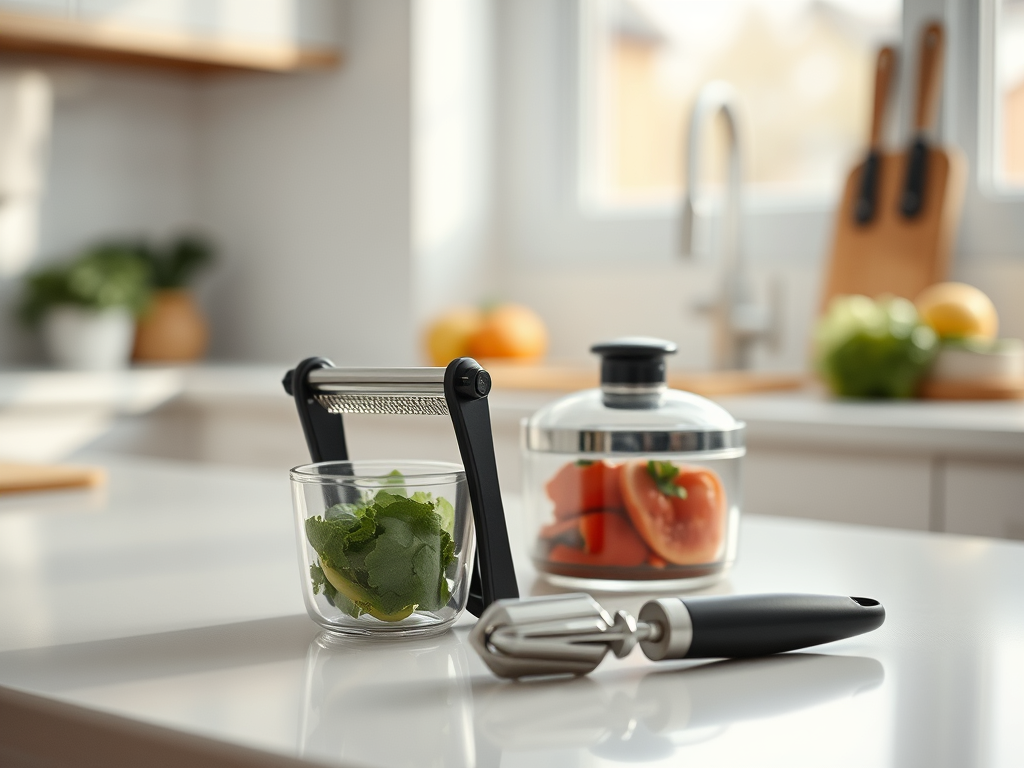
The vegetable chopper, for instance, is now my most loyal comrade. It does not judge. It does not sigh when I fail to distinguish between slicing and dicing. It simply delivers—mechanically, mercifully and without small talk. It’s the kind of relationship I now crave: efficient, sharp and blissfully silent.
Then there’s the peeler. A simple-looking instrument, yes, but in my hands, it becomes a tool of existential inquiry. How many layers should be peeled before the potato is considered ready? Is there such a thing as over-peeling? Why does this cucumber resist so much and is it personal? Each vegetable poses its own quiet protest and I’ve come to respect their tenacity.
Sautéing remains a realm I haven’t fully stepped into. It’s that elegant middle ground between raw and burnt, often executed with a wrist-flick and flair I lack. My current method involves a lot of hopeful stirring and the silent prayer that nothing sticks. But even so, each time I manage not to burn the garlic, I consider it a small civilizational victory.
In this daily duel between intention and execution, I’ve found not frustration, but humour. A sweet, subtle kind—the kind that comes from knowing you’ve taken charge of your own life, even if your onions are unevenly chopped. There’s poetry in this clumsy independence and pride in the art of managing. I’ve come to see cooking not as an art I must master, but as a space I get to improvise in.
I don’t follow recipes. I follow instincts, mood and the occasional YouTube reel. And somehow, that’s enough. Meals are made. I survive. I even enjoy the quiet chaos of it all—the rhythmic clatter, the steam curling up from a pan, the almost-spiritual silence that follows when something tastes just about edible.
Mine just happens to feature an overachieving chopper that hums with mechanical confidence, a philosophical peeler that questions the very existence of every skin it strips and a stovetop that watches silently—amused, perhaps, by my improvised choreography of survival. There are no heirloom recipes here, no secret spices passed down generations—only shortcuts dressed as choices and beautifully sliced vegetables that never asked for such drama. But in this gentle chaos of culinary guesswork, I’ve discovered something quietly triumphant: the grace of getting by. The dignity of showing up—after long working hours, official files and bureaucratic fire drills—and still choosing to feed oneself with whatever skill, tool or workaround is available. It may not be glamorous. It may not even be very tasty. But it is mine—this tender, clumsy ritual of self-care, shaped not by mastery but by intent. And perhaps, in this strange sauté of life and vegetables, that is enough.

Leave a comment